How to Start a Small Herb Garden Indoors: A Simple Guide
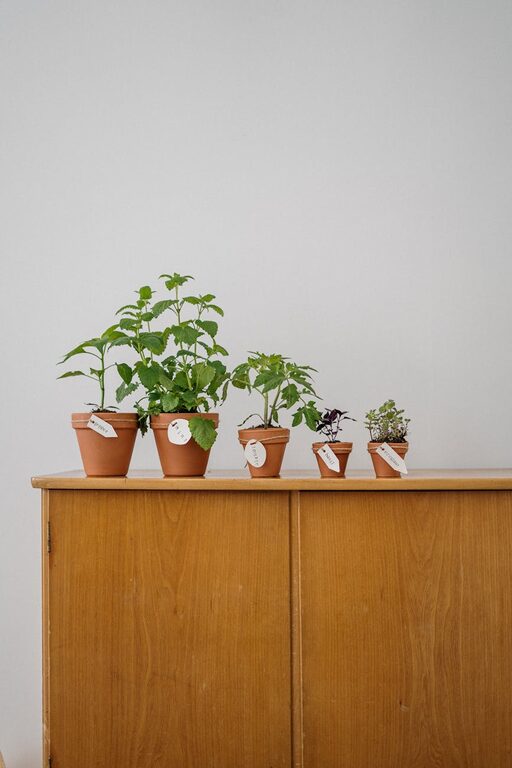
Growing your own herbs indoors is a rewarding and practical way to add fresh flavors to your meals and bring a touch of greenery into your living space. Whether you have a spacious kitchen window or a cozy apartment nook, starting a small herb garden indoors can be simple and enjoyable. In this post, we’ll walk through everything you need to know to get started and keep your mini garden thriving.
Why Grow Herbs Indoors?
Indoor herb gardens offer several benefits:
– Freshness: Pick herbs whenever you need them, enhancing your cooking.
– Convenience: No need for outdoor space or complex soil preparation.
– Aesthetic: Herbs add beauty and a pleasant aroma to your home.
– Well-being: Caring for plants can be a relaxing and satisfying hobby.
Choosing the Right Herbs for Indoor Gardening
Some herbs adapt better to indoor conditions than others. Here are popular, easy-to-grow options:
– Basil: Loves warmth and plenty of light.
– Parsley: Tolerates indirect light and is versatile for cooking.
– Mint: Grows quickly but keep it contained as it can spread.
– Thyme: Prefers bright light and well-drained soil.
– Chives: Requires moderate sunlight and regular watering.
– Oregano: Thrives in sunny spots with well-drained soil.
– Cilantro: Likes cooler temperatures and moderate light.
Tip: Start with 3-5 types that you use most often.
What You’ll Need to Start Your Indoor Herb Garden
Gather your materials before planting:
– Containers: Pots with drainage holes; small to medium size works well.
– Potting mix: Use a light, well-draining potting soil designed for herbs or vegetables.
– Seeds or starter plants: Either seeds or small herb plants from a nursery.
– Tray or saucer: To catch excess water under your pots.
– Watering can: For gentle, controlled watering.
– Sunlight source: A bright, sunny window or grow lights if natural light is limited.
Step-by-Step Guide to Starting Your Herb Garden
1. Select the Location
Choose a spot that receives at least 6 hours of sunlight each day. South-facing windows work best in most homes. If natural light is scarce, consider using full-spectrum grow lights to supplement.
2. Prepare the Pots
Ensure containers have drainage holes to avoid waterlogging. Fill each pot with potting mix, leaving about an inch from the top for watering.
3. Plant Your Herbs
– From seeds: Follow the seed packet instructions. Usually, seeds are planted just under the soil surface and lightly covered.
– From starter plants: Gently loosen roots and plant at the same depth they were in their original containers.
Give each pot a light watering immediately after planting.
4. Watering
Herbs generally prefer evenly moist soil without being soggy. Water when the top inch of soil feels dry to the touch. Overwatering can lead to root rot, so it’s better to underwater slightly than to saturate the soil.
5. Provide Proper Light
Keep pots in your selected bright window or under grow lights. Rotate pots occasionally so plants grow evenly and don’t lean toward the light.
6. Maintain Your Garden
– Fertilize lightly: Use a balanced, water-soluble fertilizer every 4–6 weeks during the growing season.
– Prune regularly: Pinching off the tips encourages bushier growth and prevents herbs from flowering too soon.
– Keep bugs away: Indoor herb plants aren’t usually pest magnets, but check regularly for insects like aphids or spider mites and treat naturally if needed.
Troubleshooting Common Issues
– Yellow leaves: Often caused by too much water or insufficient light.
– Leggy plants: May need more direct light or trimming.
– Slow growth: Could indicate poor soil quality or lack of nutrients.
– Fungal problems: Improve airflow around plants and avoid wetting the foliage.
Tips for Enjoying Your Indoor Herb Garden
– Harvest herbs in the morning when they’re most flavorful.
– Use clean scissors to snip leaves to avoid damaging the plant.
– Experiment with different herbs and uses, from teas and seasonings to garnishes.
– Share your garden’s bounty with friends or use it as a natural decoration.
Final Thoughts
Starting a small indoor herb garden is a fun and manageable project with many benefits. Whether you’re a beginner or have a green thumb, these steps will help you create a healthy, flavorful mini garden inside your home. Happy gardening!
—
By following this guide, you’ll soon enjoy fresh herbs at your fingertips all year long, adding vibrant taste and life to your kitchen. Give it a try and watch your indoor herb garden flourish!