Creative Tips for Keeping Kids’ Art Organized and Clutter-Free
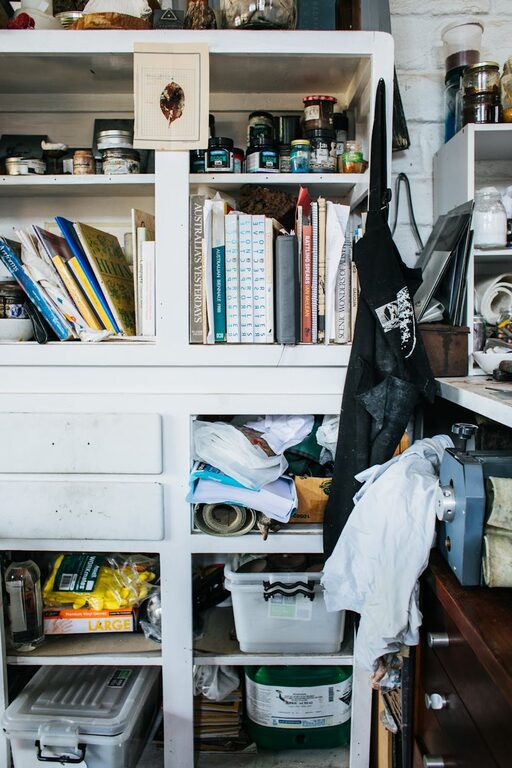
Children’s artwork is a precious window into their creativity and development. From colorful drawings to imaginative crafts, these creations tell stories and capture memories. However, for many parents, keeping this ever-growing collection organized can be challenging. Without a system, artwork often piles up, leading to clutter and lost treasures.
In this post, we’ll explore effective and creative strategies to keep your kids’ art organized in a way that honors their work while maintaining a tidy home.
Why Organizing Kids’ Art Matters
Organizing children’s art has benefits beyond just maintaining order:
– Preserves memories: Artwork reflects your child’s growth and changing interests.
– Boosts confidence: Displaying their creations shows that their efforts are valued.
– Reduces clutter: Establishes a system so old pieces don’t take over your space.
– Facilitates sharing: Makes it easier to share artwork with family and friends.
With these goals in mind, here are some practical tips for curating and organizing your child’s creative output.
Create a Dedicated Art Space
Designating a specific spot for art supplies and finished pieces helps keep everything contained.
Tips for setting up an art area:
– Use a small table or desk specifically for art projects.
– Include storage bins or drawers for crayons, markers, paper, and glue.
– Have a shelf or bulletin board nearby to display current creations.
– Keep the space easily accessible but easy to clean.
Having this zone encourages your child to take responsibility for their art tools and cleanup.
Use Portfolios or Art Binders
One simple way to store flat artwork is inside a portfolio or large binder with plastic sleeves.
How to choose and use portfolios:
– Look for acid-free, large-sized portfolios to protect drawings.
– Label each portfolio with your child’s name and date or school year.
– Let your child pick favorites to keep and recycle less treasured art.
– Update portfolios regularly to keep the collection manageable.
Portfolios make browsing through past projects enjoyable and neat.
Display Art Creatively
Celebrating your child’s creativity boosts their confidence and adds vibrant décor.
Ideas for art displays:
– Rotating gallery: Use clipboards, strings with clothespins, or magnetic boards to showcase recent pieces, rotating them every few weeks.
– Framed favorites: Frame a few select artworks and hang them around the home.
– Digital slideshow: Photograph artworks and display them via digital photo frames.
Rotating displays keep your child engaged without overwhelming wall space.
Digital Archiving: Preserve Without the Pile
For parents short on space, digitizing artwork is a fantastic solution.
Steps to create a digital archive:
– Take clear photos or scan artwork regularly.
– Organize images by date or theme on a computer or cloud storage.
– Use photo book services to create printed albums at the end of the year.
– Share digital galleries with family members who live far away.
Digitization keeps memories safe and cuts down on physical clutter.
Utilize Storage Solutions
Beyond portfolios and digital files, several storage options work well depending on the artwork’s size and type.
Storage ideas for different types of artwork:
– Flat pieces: Use filing cabinets, under-bed storage boxes, or labeled accordion folders.
– 3D crafts: Shelves or clear plastic bins with labels keep sculptures and models dust-free.
– Mixed media: Use large art tubs or crates for mixed projects that are hard to store flat.
Always label containers with dates and descriptions for easy retrieval.
Establish a Regular Sorting Routine
A key to maintaining organization is scheduling regular times to sort through new artwork.
How to establish a routine:
– Set a monthly or quarterly date with your child to review recent art.
– Decide together which pieces to keep, photograph, display, or recycle.
– Use this opportunity to talk about their interests and creative process.
– Adjust storage as needed to accommodate new favorites.
Regular sorting prevents artwork from accumulating uncontrollably.
Repurpose Art into Gifts or Functional Items
Another creative way to manage children’s art is by turning it into gifts or everyday items.
Examples of repurposing:
– Glue drawings onto blank greeting cards for family and friends.
– Use artwork as wrapping paper for small presents.
– Laminate favorite pieces to create placemats.
– Scan images to print on mugs, t-shirts, or calendars.
These ideas celebrate creativity while putting artwork to good use.
Encourage Your Child’s Involvement
Involving your child in organizing their art teaches responsibility and helps them value their creations.
Tips for engagement:
– Let them choose what to keep or display.
– Encourage them to decorate their portfolios or storage boxes.
– Discuss their artwork’s meaning and story during sorting.
– Praise their efforts and celebrate milestones together.
Shared decision-making turns organizing into a bonding experience.
Final Thoughts
Keeping kids’ art organized doesn’t have to be overwhelming. With a dedicated space, effective storage methods, and a regular routine, you can cherish their creativity while maintaining a clutter-free home. Embrace these tips to celebrate every masterpiece and create lasting family memories.
Happy organizing!