
How to Design a Weekly Reset Routine for a Fresh Start
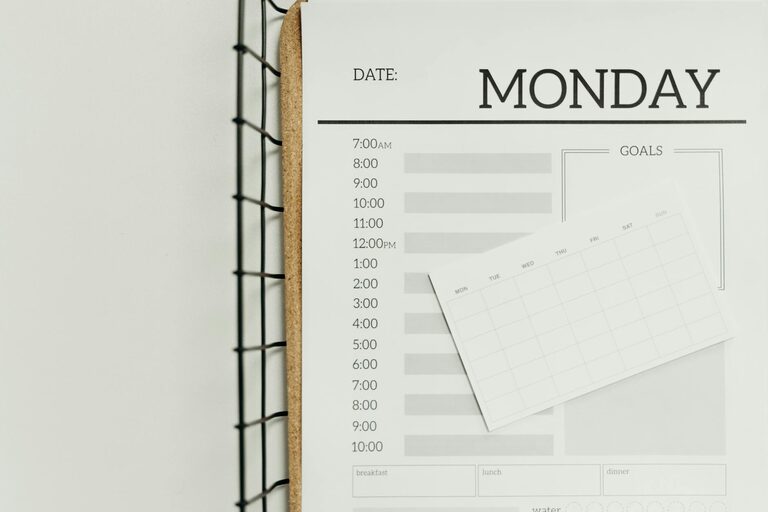
Creating a weekly reset routine is a powerful way to refresh your mindset, organize your tasks, and recharge your energy. By intentionally setting aside time each week to reflect, plan, and unwind, you can build momentum and enter each new week feeling prepared and motivated. In this post, we’ll explore how to design a weekly reset routine tailored to your lifestyle.
What Is a Weekly Reset Routine?
A weekly reset routine is a set of activities you do once a week to clear mental clutter, assess your progress, and prepare yourself for the days ahead. Think of it as a mini retreat that helps you transition from one week to the next with clarity and calm.
The goal is to create a consistent habit that helps you:
– Reflect on the past week’s successes and challenges
– Organize your schedule and priorities
– Recharge physically and mentally
– Set meaningful intentions for the upcoming week
Why Bother with a Weekly Reset?
Life moves fast, and it’s easy to get overwhelmed by ongoing tasks and responsibilities. Without a pause to reset, small stresses can build up and affect your focus, mood, and productivity. A weekly reset:
– Reduces stress by providing structure and clarity
– Boosts motivation and direction
– Helps catch and correct course before issues accumulate
– Supports healthier habits and self-care
How to Design Your Weekly Reset Routine
Here’s a step-by-step guide to creating a sustainable weekly reset routine that suits your needs.
1. Choose the Best Day and Time
Pick a day and time when you’re least likely to be interrupted. Many people prefer weekends or Sunday evenings because it sets a positive tone for the coming week. However, any consistent time works—as long as it fits your schedule.
2. Create a Comfortable Space
Find or create a quiet, pleasant environment that feels relaxing. This could be your favorite chair, a cozy corner, or even outdoors. Having a dedicated space signals to your brain that it’s time to reset.
3. Set a Time Limit
Keep your reset routine manageable; 30 to 60 minutes is usually enough. This prevents it from feeling overwhelming and helps build consistency.
4. Reflect on the Past Week
Spend the first part of your routine reviewing the previous week.
– What were your wins? Write down accomplishments or moments you’re proud of.
– What challenges did you face? Consider any obstacles or tough days.
– What lessons did you learn? Note anything that could improve future weeks.
Reflection encourages gratitude and growth.
5. Review Your Calendar and To-Do List
Check your upcoming appointments, deadlines, and commitments. Adjust or add new tasks as needed. This helps reduce surprises and keeps you prepared.
– Identify priority tasks for the week ahead.
– Group similar tasks together for efficient time blocking.
– Consider any events or social plans.
6. Set Clear Goals and Intentions
Define 2-4 achievable goals for the upcoming week. These should be specific and meaningful actions rather than vague wishes. Examples include:
– Complete a project report by Friday
– Exercise three times this week
– Spend 30 minutes daily reading
Setting clear intentions provides focus and motivation.
7. Plan Self-Care and Relaxation
A good reset routine balances productivity with self-care. Schedule time to rest, recharge, and do things that make you happy.
Ideas include:
– Taking a walk in nature
– Practicing meditation or deep breathing
– Enjoying a hobby or creative activity
– Preparing a healthy meal
Prioritizing self-care boosts your physical and mental well-being.
8. Tidy Your Space
Physical clutter can add to mental clutter. Spend a few minutes tidying your workspace or living area.
– Clear your desk of unnecessary items
– Organize papers, supplies, or digital files
– Create a welcoming environment
A clean space supports a clear mind.
9. Update Your Journal or Planner
If you use a journal or planner, update it with insights, goals, and plans from your reset session. This creates a record you can look back on and helps track your progress over time.
10. End with a Positive Ritual
Finish your routine with something uplifting or calming. This could be writing a gratitude list, listening to your favorite song, or simply taking a few deep breaths.
Tips to Stay Consistent
– Keep your routine simple at first, then add more elements as you go.
– Use reminders or calendar alerts to block time for your reset.
– Invite a friend or family member to join you for accountability.
– Be flexible — it’s okay to adjust your routine as your life changes.
Example Weekly Reset Routine
Here’s a sample routine you can adapt:
- **Find your spot and set a timer for 45 minutes.**
- **Reflect:** Write down 3 things you accomplished last week and 1 challenge.
- **Review:** Look over your upcoming calendar and to-do list.
- **Goals:** Identify 3 main goals for the next week.
- **Self-care:** Plan 2 self-care activities, like a walk and a hobby session.
- **Tidy:** Clear your desk and organize papers.
- **Journal:** Write a short gratitude entry.
- **Close:** Take 5 deep breaths or listen to a favorite song.
Final Thoughts
Designing a weekly reset routine is about creating space to breathe, organize, and recharge. It’s a simple but effective habit that can enhance your happiness and productivity. Try building your own reset routine gradually, and watch how it transforms your weeks into something more intentional and fulfilling.
Remember, the best routine is one that fits your lifestyle and feels enjoyable—so make it your own!