
Beginner Tips for Mindful Breathing Breaks to Boost Calm
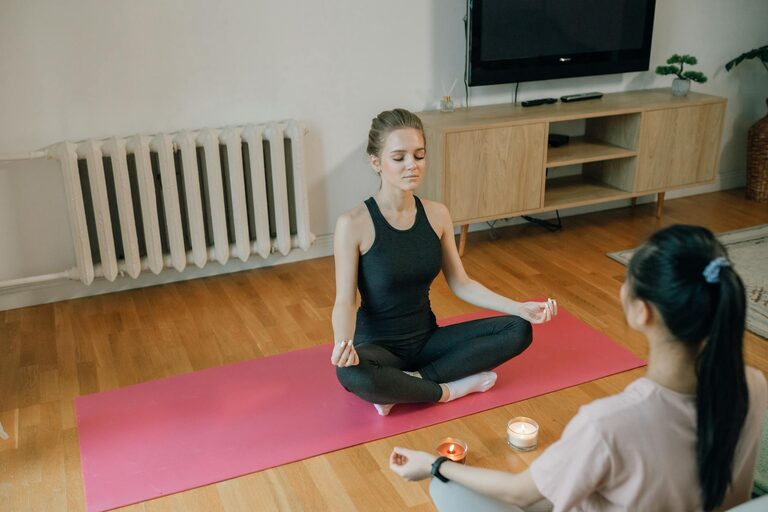
Taking short mindful breathing breaks throughout the day is a simple yet powerful way to reduce stress, improve focus, and enhance overall well-being. If you’re new to mindfulness or breathing exercises, getting started can feel overwhelming. This post shares beginner-friendly tips to help you establish a calming breathing practice that fits easily into your daily routine.
What Is Mindful Breathing?
Mindful breathing involves focusing your attention fully on your breath — noticing how it feels as it enters and leaves your body without trying to change it. This practice brings your awareness to the present moment, helping to calm a busy mind and reduce tension.
Unlike regular breathing, mindful breathing is intentional and attentive. It doesn’t require special equipment or a lot of time, making it accessible to anyone.
Benefits of Mindful Breathing Breaks
Taking mindful breathing breaks throughout your day can:
– Reduce feelings of stress and anxiety
– Improve concentration and mental clarity
– Promote relaxation and lower physical tension
– Enhance emotional regulation and resilience
– Create moments of calm in a busy schedule
Even a few minutes of mindful breathing can have noticeable positive effects on your mood and energy levels.
How to Prepare for a Mindful Breathing Break
Before starting, find a quiet and comfortable place where you won’t be disturbed for a few minutes. This could be your desk, a quiet corner, or even outdoors if possible. Sitting with a straight but relaxed posture helps your breath flow more easily.
You don’t need any special tools — having a timer or a mindfulness app can be helpful if you want to keep track of time or follow guided practices.
Beginner Tips for Mindful Breathing Breaks
1. Start Small
Begin with just 1 to 3 minutes per session. Short breaks feel manageable and help build consistency without feeling like a big commitment.
2. Focus on Natural Breathing
Pay attention to your natural breath rather than trying to control it. Notice where you feel the breath most clearly — your nostrils, chest, or abdomen.
3. Use Simple Counting
If your mind wanders easily, try counting each breath cycle — for example, inhale (1), exhale (2), inhale (3), and so on. Count up to 5 or 10, then start over.
4. Practice Deep Belly Breathing
Try to breathe deeply into your belly rather than shallow chest breathing. Place one hand on your stomach and feel it rise and fall with each breath. Deep belly breathing encourages relaxation.
5. Be Gentle with Your Mind
It’s normal for your thoughts to stray. When you notice this happening, gently redirect your attention back to your breath without judgment.
6. Experiment with Different Techniques
Explore other mindful breathing methods like box breathing (inhale-hold-exhale-hold for equal counts) or 4-7-8 breathing (inhale for 4, hold for 7, exhale for 8) once you feel comfortable.
7. Set Reminders
Use your phone or calendar to schedule regular mindful breathing breaks during the day. Consistency helps make this a lasting habit.
8. Combine with Movement or Meditation
Pair mindful breathing with gentle stretches, a quick walk, or a seated meditation to deepen relaxation.
Sample Mindful Breathing Break for Beginners
Here’s a simple 3-minute mindful breathing exercise to try:
- Sit comfortably with your feet flat on the floor and hands resting on your lap.
- Close your eyes or soften your gaze.
- Take a slow, deep breath in through your nose, feeling your belly expand.
- Breath out gently through your mouth or nose, feeling your belly soften.
- Continue this pattern at a steady, comfortable pace.
- If your mind wanders, notice the thought without judgment and gently return your focus to your breath.
- After 3 minutes, open your eyes and take a moment to notice how you feel.
Tips for Staying Motivated
Mindful breathing is most beneficial when practiced regularly. Keep these ideas in mind:
– Pair your breathing break with another daily habit, like after brushing your teeth or taking a bathroom break.
– Keep the practice enjoyable; try different techniques or locations.
– Celebrate small successes to encourage ongoing practice.
– Remember, there’s no perfect way to do it; every breath counts.
Final Thoughts
Mindful breathing breaks offer a simple, accessible tool for beginners to cultivate calm and focus during a hectic day. By starting small and practicing regularly, mindful breathing can become a valuable part of your self-care routine. Give it a try today — your mind and body will thank you!
—
If you found this helpful, be sure to share it with someone who could use a little calm too! And let us know your favorite mindful breathing tip in the comments below.